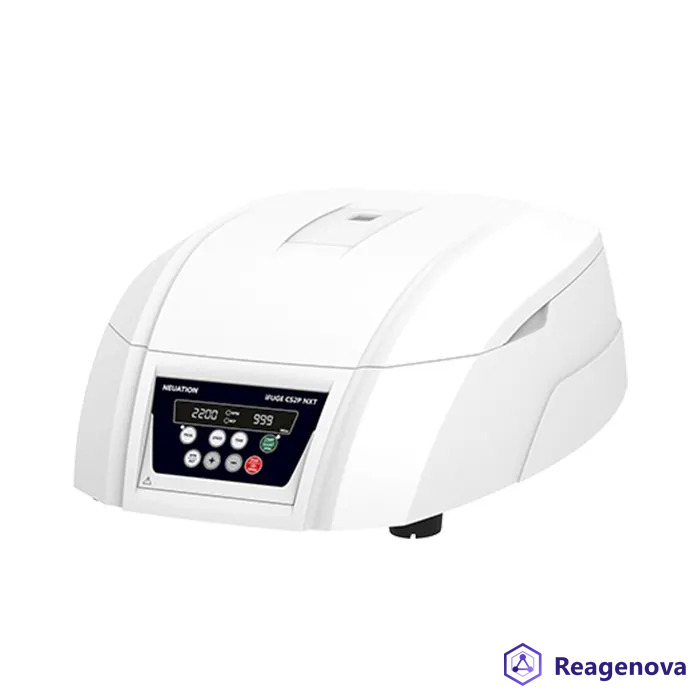
Microplate Centrifuge CS2P NXT: 500-2200 RPM Digital Unit
$1,900.80
Quick answer: The CS2P NXT microplate centrifuge is built for laboratories that need repeatable swing-out separation across two microplates.
The CS2P NXT microplate centrifuge is built for laboratories that need repeatable swing-out separation across two microplates. Its digital control supports programmed operation across a 500-2200 RPM range, helping standardise preparation steps.
Total:$1,900.80
Free shipping on Australian orders over $200Based on product subtotal after discounts.
About this product
This benchtop unit accepts 96-well and 384-well plates and uses a swing-out rotor to process two plates at once. Its digital control supports programmed operation across a 500-2200 RPM range, helping standardise preparation steps.
The design suits plate-based workflows where many samples need the same spin condition. By processing two plates together, the centrifuge reduces batch-to-batch timing differences and shortens sample preparation queues.
Place the unit on a level bench, balance loads before each run and follow the manufacturer's guidance for rotor care and safety interlocks. Record speed, duration and plate format in the laboratory method.
- Digital 500-2200 RPM control
- 96/384-well plate support
- Swing-out rotor for two plates
- Compact benchtop footprint
Specifications
| Form | Lyophilised powder |
|---|---|
| Purity | ≥99.0% (HPLC) |
| Testing | Identity confirmed by mass spectrometry |
| Intended use | In vitro laboratory research only |
Research Use Only. This material is supplied for in vitro laboratory research and is not intended for human or animal consumption, diagnosis or therapeutic use. Analytical figures quoted refer to the batch in hand.
Questions about this product
What plate formats does it accept?
The unit supports 96-well and 384-well PCR or deep-well plates using its swing-out rotor arrangement.
Why use a swing-out rotor?
Swing-out rotors keep plate contents consistent during spin-up and slowdown, which helps standardise separation across many wells.
What should be recorded for each run?
Record RPM, run time, plate format and rotor configuration so preparation conditions can be repeated by another operator.
Related